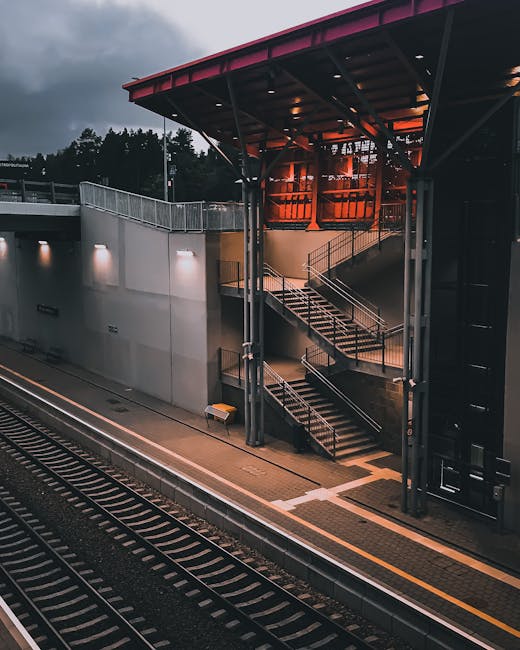
Balham Station move day access and removals tips: a practical guide for smoother London moving day planning
If you are moving near Balham Station, the difference between a calm move and a chaotic one often comes down to access. Narrow streets, busy school runs, railway commuters, awkward loading gaps, and the simple fact that London doesn't always feel built for a sofa on a trolley can turn a normal removal into a stressful puzzle. That is exactly why Balham Station move day access and removals tips matter: they help you plan the route, protect your belongings, and keep everyone moving safely without wasting time or patience.
This guide walks you through the real-world stuff that tends to get overlooked. We'll cover access planning, timing, vehicle choice, parking, building restrictions, and the small decisions that make a big difference on the day. If you want a move that feels organised rather than improvised, you are in the right place.
Why Balham Station move day access and removals tips matters
Balham Station is one of those places where the local rhythm shapes your moving day. Trains, buses, pavements, pedestrian flow, and residential streets all combine to make access a live issue, not a side detail. If your removals vehicle can't stop close enough, every box has to travel farther by hand. That means more lifting, more time, and more risk of damage.
For homes and flats around station-side streets, access planning can be the difference between a tidy, single-trip load and a long, stop-start shuffle that leaves everyone knackered by lunchtime. And honestly, nobody wants to be dragging wardrobe rails past commuters with coffee in hand.
It matters for another reason too: stress. When access is unclear, people start making assumptions on the day. The van arrives, the lift is slower than expected, the front door is narrower than remembered, and suddenly the whole plan wobbles. Good removals tips are really just calm-making tips.
If your move involves a flat, a shared entrance, or a narrow staircase, access planning becomes even more important. In those situations, services such as flat removals and man and van support can be especially useful because they are built around tighter access and faster handling.
How Balham Station move day access and removals tips Works
Good access planning starts before the van turns up. First, you work out where the vehicle can actually stop. Then you look at the walking distance from the entrance to that stopping point. After that, you identify anything that slows the team down: gates, intercoms, stairs, lift booking times, low trees, resident permit restrictions, or a narrow turning point that could be awkward for a larger vehicle.
In practical terms, the move day process usually follows a simple pattern:
- Confirm access details for both addresses.
- Choose the right vehicle size and loading method.
- Prepare boxes and furniture so they can be moved quickly.
- Reserve or plan parking close to the property where possible.
- Protect high-traffic areas inside the building.
- Load the largest or heaviest pieces first while access is clear.
- Keep a backup plan for delays, key handovers, or weather.
That might sound straightforward, but the devil is in the details. A "five-minute walk from the van" can become a twenty-minute zig-zag if you've got stairwells, traffic islands, and one overpacked lift. Little things add up quickly.
Many people also underestimate how much the type of move changes the access strategy. A family house move is not the same as a studio flat move, and an office move has different timing pressures again. If you are relocating a business, pages like commercial moves and office removals are often the best fit because they focus on coordination, speed, and minimal disruption.
Key benefits and practical advantages
The main benefit of planning access properly is simple: your move becomes easier to control. But there are several smaller wins that matter just as much.
- Less carrying distance: fewer trips between van and front door, which reduces fatigue and breakage risk.
- Better timing: your removals team can work in a steadier rhythm instead of pausing for parking or access problems.
- Lower stress: fewer surprise obstacles means less last-minute improvising.
- Safer handling: it is easier to move bulky items properly when the route is planned.
- Cleaner building protection: fewer awkward manoeuvres through entrances and shared spaces.
- More accurate quotes: when access is clear, estimates are usually more reliable.
There is also a trust angle here. A removal company that asks detailed questions about stair counts, road access, and parking restrictions is usually showing proper care. You want that. It tells you they are thinking beyond the obvious.
Expert summary: The best move day access plan is not the one that looks impressive on paper. It is the one that quietly removes friction, protects the awkward bits, and keeps the whole job moving without drama.
That, in our experience, is where good removals work pays off. Not in flashy promises. In fewer headaches.
Who this is for and when it makes sense
This guidance is useful for almost anyone moving near Balham Station, but it is especially relevant if any of the following apply:
- you live in a flat or upper-floor property
- your street has limited stopping space
- you're moving during a busy weekday or school-run window
- you have large furniture, fragile items, or a piano
- you are moving on a tight schedule between tenancies
- you need to coordinate a building lift or concierge access
- you are moving a home office or business equipment
It also makes sense if you are trying to keep costs under control. Access problems often add hidden time, and time is one of the biggest factors in any moving quote. Clear access can be surprisingly helpful when you are comparing pricing and quotes.
Students and short-term renters around Balham often benefit too. If that sounds like you, student removals can be a sensible route because the service style tends to suit smaller loads and tighter deadlines. Truth be told, student moves often need more speed than ceremony.
And if you only need flexible help with a lighter load, a smaller vehicle may be enough. That is where options such as a removal van or man with van support can be a better fit than a larger lorry. Sometimes less is more. Simple as that.
Step-by-step guidance
Here is a practical way to organise move day access near Balham Station without making it feel like a military operation.
1. Walk the route before moving day
Do a quick walkthrough from the property entrance to where the van is likely to stop. Look for bollards, low kerbs, busy corners, lift access points, and anything that will slow a trolley or carry. If you can, do it at roughly the same time of day as the move. Morning and evening traffic can feel like two different streets.
2. Measure the awkward stuff, not just the room size
Everyone remembers to measure the sofa. Fewer people measure the staircase bend, the front door width, or the hall turning space. Those measurements often matter more on the day. If you have a wardrobe, mattress, or piano, this becomes even more important. For specialist items, piano removals or furniture removals may be the safer choice.
3. Decide where the van will load and unload
Do not leave this to chance. Identify one primary stopping point and one backup point if the first is blocked. If the road is tight, a smaller vehicle or a more agile service such as man with a van may work better than a larger truck. That is not a compromise; it is just practical planning.
4. Prepare your belongings for fast movement
Boxes should be sealed, labelled, and easy to lift. Loose items are the real time-thieves on move day. Wrap fragile objects properly and keep a separate essentials bag for documents, chargers, keys, medication, and snacks. Yes, snacks. Moving without them can make even sensible people a bit grumpy.
5. Check building rules and handover times
If you are moving into or out of a managed building, confirm lift availability, loading bay rules, access codes, and handover windows in advance. A short delay in key release can ripple through the whole day. That's especially true if the van is booked for a precise slot.
6. Protect surfaces and shared areas
Hallways, lifts, and stairs can take a beating during removals. Good teams will use protective covering where needed and handle items with care, but it helps if your own boxes are stable and properly packed. The smoother the load, the less chance of knocks and scrapes.
7. Build in a little breathing room
London moves are rarely perfect to the minute. Leave some margin for traffic, parking, and those tiny delays that seem harmless until they aren't. A calm 15-minute buffer can save the whole mood of the day.
Expert tips for better results
These are the tips that tend to save people the most hassle around Balham Station and similar London locations.
- Book the earliest practical slot. Streets are usually easier before the day gets busy.
- Tell the removals team about every awkward detail. The small things matter: narrow gates, a steep step, a missing lift key, the lot.
- Keep one person available to answer access questions. On the day, there is always one detail nobody can quite remember.
- Group boxes by room and priority. It speeds unloading at the other end.
- Use a sensible vehicle size. Bigger is not always better in tight London streets.
- Have parking backup in mind. If the obvious spot is taken, know where else the van can safely stop.
- Move fragile items separately if needed. Lamps, mirrors, and artwork deserve a bit more respect than a generic box of "miscellaneous".
One thing many people do not think about is lift timing. If the lift is shared and busy, a small amount of planning can save a silly amount of waiting. It sounds minor. It isn't, not really.
If you want help from a team that understands local logistics, browsing removal services can be a sensible starting point, while removals is useful if you need a broader overview of move types. And for more hands-on support, house removals and house removalists are strong options for full-property moves.
Common mistakes to avoid
Most moving problems are not dramatic. They are usually the result of one or two overlooked details stacking up. Here are the mistakes that cause the most trouble.
- Assuming the van can park right outside. That is rarely something to assume near a busy station area.
- Forgetting to mention restricted access. Shared entrances, coded doors, and loading limits should never be discovered on arrival.
- Packing too late. Half-packed boxes slow everything down and often lead to damage.
- Ignoring building noise rules or time windows. Some properties are more sensitive than people expect.
- Choosing the wrong vehicle. Too large can be awkward; too small can mean extra trips. Both are annoying.
- Leaving bulky items in upstairs rooms without a plan. Large furniture should be staged sensibly if access is tight.
- Not separating essentials. When your kettle is buried under six boxes, the first hour in the new place feels longer. Much longer.
There is another one, too: pretending the move will "probably be fine". Maybe it will. But probably is not a plan.
Tools, resources and recommendations
You do not need fancy equipment to make a move work well, but a few simple tools help a lot. If you are organising your own packing, consider the following:
- strong boxes in a few sizes
- packing tape and tape dispensers
- labels or marker pens
- blankets, wraps, and corner protection for furniture
- plastic covers for soft furnishings if weather looks changeable
- door stoppers for keeping access open while carrying
- a trolley or sack truck for heavier items
If you do not want to source all of that yourself, packing and boxes can help you get the right materials without guessing. For people who want the job fully handled, packing and unpacking services can remove a lot of the burden. That is a real relief when the move is already complicated.
It is also worth thinking about short-term storage. Sometimes the cleanest solution is not forcing everything into one day. If keys, timing, or access do not line up neatly, storage gives you some breathing space and can make the whole process feel less compressed.
For service-style decisions, you may also want to compare moving truck support against smaller van-based help. There is no single best answer. It depends on volume, access, and how much lifting you want to handle.
Law, compliance, standards, or best practice
Moving home or business near a station area is not just a logistics problem; it can also touch on parking, loading safety, building rules, and public access. The exact rules will vary by street, property, and building, so it is wise to confirm local requirements rather than assuming. In London, that usually means being careful with where a vehicle stops, how long it stays, and whether access routes remain clear for others.
Good practice usually includes:
- keeping pavements and entrances as clear as possible
- avoiding unsafe lifting practices
- using properly secured loads
- protecting shared property areas where possible
- checking insurance coverage before the move
If you are comparing providers, it is reasonable to ask about insurance, safety approach, and handling procedures. Pages like insurance and safety and health and safety policy are useful trust signals because they show the company takes risk seriously. That matters more than people think.
You may also want to review practical policies such as terms and conditions, payment and security, and recycling and sustainability if you are interested in how the service is run end to end.
Options, methods, or comparison table
Different move setups suit different access conditions. Here is a simple comparison to help you choose what makes sense.
| Option | Best for | Strengths | Watch-outs |
|---|---|---|---|
| Man and van | Small to medium moves, light access challenges | Flexible, nimble, often easier to park | May need more trips for larger loads |
| Removal van | Flat moves, local relocations, tighter roads | Good balance of capacity and manoeuvrability | Check volume carefully before booking |
| Moving truck | Larger house moves or bigger commercial loads | Efficient for one-load moves | Can be awkward on narrow streets if access is limited |
| Full removals service | Complex moves, large homes, busy schedules | More support, less stress, better coordination | Needs clearer planning and accurate access details |
As a rule of thumb, the tighter the access, the more valuable flexibility becomes. A larger vehicle is great when it can get close. When it can't, a smaller or more adaptable setup can honestly save time and sanity.
Case study or real-world example
Picture a couple moving from a second-floor flat a short walk from Balham Station into a terraced house not far away. On paper, it looks simple. The distance is short, the volume is moderate, and the keys are ready by midday. Easy, right?
Then the details start to matter. The flat is up two tight flights of stairs. The road outside has limited stopping space. A delivery van is already in the best loading spot, and the building lift is not available because there isn't one. So the removal team adjusts.
They use a smaller vehicle, stage the largest pieces near the entrance first, and carry in a steady sequence instead of trying to rush. Boxes are labelled by room, the mattress is wrapped properly, and a helper stays available to direct loading from the pavement. Not glamorous. Just sensible.
The result? Fewer delays, fewer awkward turns, and no one standing around with a sofa wondering how it got so heavy all of a sudden. That kind of move is not magic. It is just good preparation meeting realistic expectations.
If that sounds familiar, you may want to look at home moves for broader household planning, or house removals if the move involves more furniture and coordination than a simple flat transfer.
Practical checklist
Use this checklist in the days before your move. It is basic, but basic is often what saves the day.
- Confirm both addresses and access times.
- Check whether the vehicle can stop close to each entrance.
- Measure staircases, doorways, and any tight corners.
- Identify lift booking times or building restrictions.
- Separate essentials into one clearly marked bag or box.
- Label boxes by room and priority.
- Protect fragile and valuable items.
- Tell the removals team about any heavy or awkward items.
- Prepare backup parking or loading options.
- Keep keys, codes, and contact details to hand.
- Review insurance, safety, and payment details before the move.
- Have water, snacks, and phone chargers ready.
A small extra tip: keep a pen in your pocket. You will need it more than you expect. Funny how that happens.
Get a free quote today and see how much you can save.
Conclusion
Balham Station move day access and removals tips are really about control. Control over timing, loading, safety, and the little obstacles that can derail a move if nobody plans for them. When you think through access early, choose the right vehicle, pack with care, and keep the day flexible enough to absorb small delays, the whole experience becomes much more manageable.
Whether you are moving a flat, a family home, a student room, or a small business setup, the same principle applies: plan the access, respect the constraints, and keep the process simple where you can. That is where smooth moves come from. Not luck, just good judgement.
If you are at the stage of comparing options, start with the service level that matches your load and your street. A thoughtful, well-planned move around Balham is absolutely doable. And when it goes well, it really does take a weight off your shoulders.
Frequently Asked Questions
What is the most important part of moving near Balham Station?
The most important part is access planning. If the van cannot stop close enough, or the route to the property is awkward, everything takes longer and becomes harder to manage.
Do I need a larger vehicle for a move near Balham Station?
Not always. In many cases, a smaller van or a more flexible removals setup is better because local streets can be tight. The right vehicle depends on volume and stopping space, not just how much you want to fit in one go.
How do I know if my flat has difficult access?
If you have multiple flights of stairs, a narrow staircase, no lift, restricted parking, or a long carry from road to entrance, access is probably more challenging than average. A quick walkthrough usually makes that clear.
Should I tell the removals company about parking restrictions?
Yes, absolutely. Parking restrictions, loading bays, and resident permit rules can change the whole plan. The more detail you give, the better the company can prepare.
Are man and van services suitable for station-area moves?
Often, yes. They are commonly a good fit for smaller loads and tighter access. If you need more support for heavy or bulky items, a fuller removals service may be better.
What should I pack separately on move day?
Keep essentials separate: keys, documents, medication, chargers, snacks, basic toiletries, and anything you will need immediately after arrival. That small bag saves a surprising amount of frustration.
Can I reduce the cost by doing some of the packing myself?
Usually, yes. Self-packing can reduce the amount of labour required, though it is important to pack securely and label boxes clearly. If you want help with materials, packing and boxes is a sensible place to start.
What if the keys are delayed on move day?
That can happen, especially with property chains. It helps to have a backup plan, keep communication open, and consider whether short-term storage might reduce the pressure if timing gets messy.
Is it worth booking packing and unpacking help?
If you are short on time, dealing with a larger household, or moving fragile items, yes. It can take a lot of strain out of the process. The real benefit is not just speed, but a more organised start and finish.
How far in advance should I plan my Balham move?
As early as you comfortably can. Even if the move itself is straightforward, access checks, parking, packing, and building arrangements all benefit from a bit of lead time. Rushing is rarely a fun strategy.
What if I only need help with one large item?
For a single bulky item, a smaller, focused service may be enough. Depending on the item, you might look at furniture support through furniture removals or furniture pick up if the job is very limited.
How can I make the move safer for everyone involved?
Keep routes clear, lift properly, avoid overpacking boxes, and share access information in advance. If you want reassurance on how a provider handles the practical side, review their insurance and safety information before booking.
What is the best next step if I am ready to book?
Choose the service that fits your load, confirm access details, and request a quote that reflects the real conditions rather than a vague description. If you are still comparing options, the pricing and quotes page is a useful place to begin.
Moving day can feel a bit noisy, a bit rushed, and occasionally ridiculous. But with the right access plan, it becomes a lot more manageable-and that is usually all people want in the end.